

You brush your dog and notice that their coat is less shiny than it used to be. Maybe you see dandruff on their back, their coat feels dry, or they scratch more often than usual. Many dog owners immediately think of age, breed, the season, or an allergy. These are all possible causes, but one factor is surprisingly often overlooked: diet.
Raw food with the right fatty acid balance
EPA and DHA directly from animal sources. No heated vegetable oils.
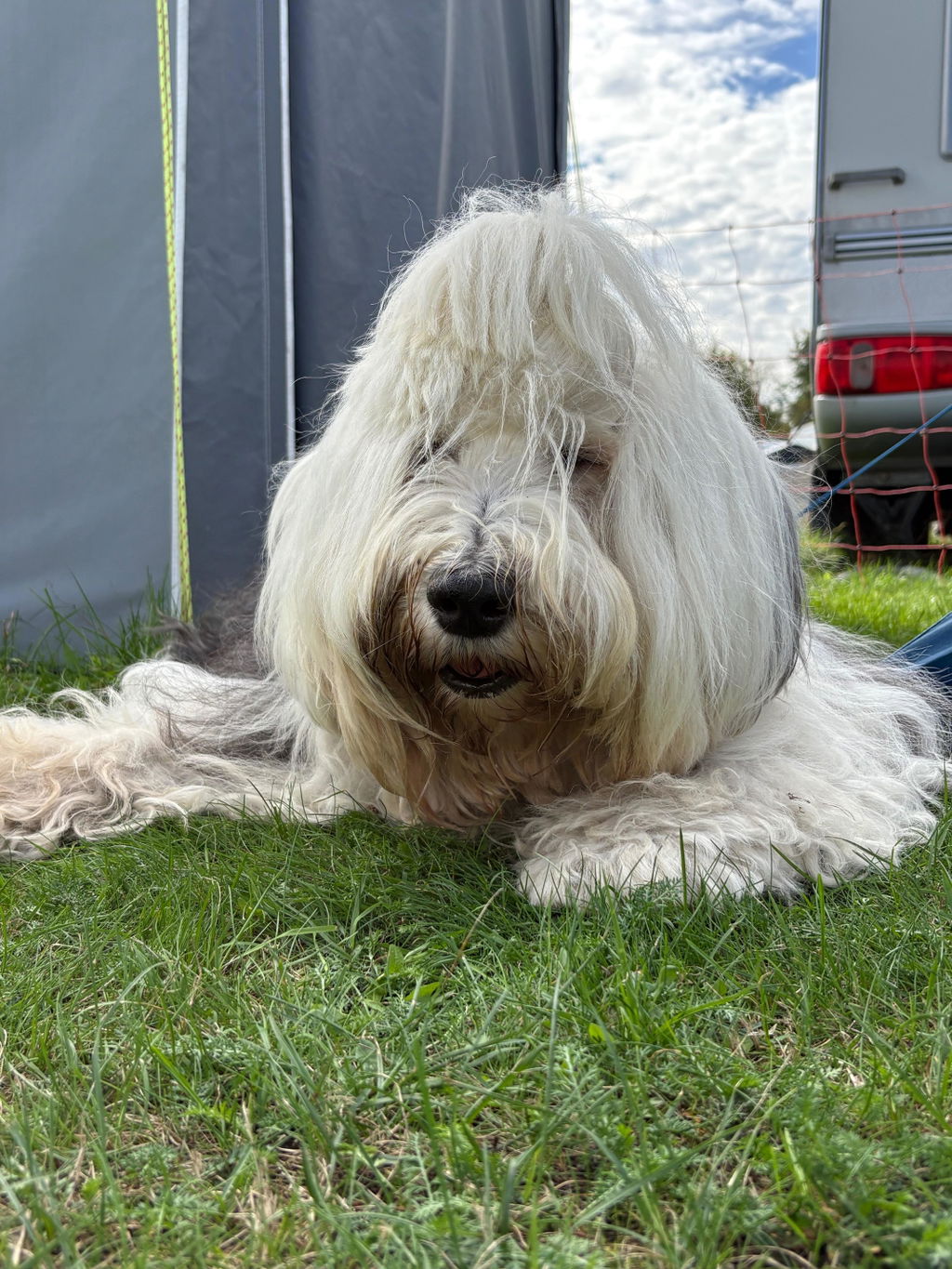
What does your dog's coat say about their health?
The skin is the dog's largest organ and forms the first line of defence against the outside world. A healthy skin barrier helps retain moisture and protects against irritants from the environment. When that barrier is functioning optimally, you often see this reflected in a shiny, supple coat.
When the skin is not adequately supported, various issues can arise:
a dull or dry coat
dandruff
increased skin sensitivity
more frequent scratching or licking
Of course, such issues are not always caused by diet. Parasites, allergies, hormonal conditions, and infections can produce similar symptoms. However, research shows that diet plays an important role in supporting skin and coat health.
Why fatty acids are so important
A dog's skin contains large amounts of fatty acids. These fatty acids form part of skin cells and help keep the skin barrier strong and supple. The balance between omega-6 and omega-3 fatty acids in particular receives a lot of attention in the scientific literature. Both are essential, but fulfil different functions in the body.
Omega-6 supports normal growth and skin development, among other things. Omega-3 fatty acids, particularly EPA and DHA from fish, play an important role in regulating inflammatory processes and supporting healthy skin function. Not only the quantity, but also the ratio between them is relevant.
Why the source of omega-3 matters
Many commercial dog foods contain sufficient fat, but the origin of those fats varies greatly. Vegetable ingredients such as sunflower, soy, and corn oil mainly contain omega-6 fatty acids. Some also contain omega-3, but often in the form of ALA (alpha-linolenic acid).
Dogs can only convert ALA to EPA and DHA to a limited extent - the forms directly involved in skin and coat health. Animal sources such as fish supply EPA and DHA directly to the body. That is why nutritionists look not only at the total amount of omega-3, but also at the form in which it is present.
What does the science say?
Multiple studies show that omega-3 fatty acids from fish oil can have a positive effect on the skin health of dogs.
| Bauer, 2011 | Journal of the American Veterinary Medical Association — Therapeutic use of fish oil in dogs: EPA and DHA reduce pro-inflammatory signalling pathways and support the quality of skin and coat. |
| Logas & Kunkle, 1994 | Veterinary Dermatology — Double-blind crossover study: omega-3 supplementation from fish oil led to significantly less itching and an improved skin condition compared to placebo. |
| Bauer, 2007 | Journal of Nutrition — Role of essential fatty acids in the skin barrier function of companion animals: adequate EPA/DHA intake is necessary for an intact epidermis and healthy coat quality. |
How does Wolfork handle this?
Wolfork consists of raw animal ingredients and contains no vegetable fillers. We also add fish oil as a natural source of omega-3 fatty acids. This means EPA and DHA are directly available to the body, without the need for conversion from plant-based omega-3.
Because the food is not heated, the fatty acids remain intact. During the extrusion of kibble, a high-temperature process, fatty acids are partly broken down, which reduces their bioavailability.
Whether a dietary change makes a visible difference for your dog depends on multiple factors. But if diet plays a role in your dog's coat or skin issues, the fatty acid balance is a logical first step to look at.
What this means in practice
A dull coat or persistent scratching always has a cause. Diet is not the only possibility, but it is the variable that directly influences your dog's skin barrier every day, at every meal. Wolfork delivers the right fatty acids intact, from animal sources that the dog can biologically utilise directly.
Ready for a coat you can be proud of?
Free transition advice · Delivered chilled to your door
Sources
Bauer, J.E. (2011). Therapeutic use of fish oils in companion animals. Journal of the American Veterinary Medical Association, 239(11), 1441-1451.
Logas, D. & Kunkle, G.A. (1994). Double-blinded crossover study with marine oil supplementation for the treatment of canine pruritic skin disease. Veterinary Dermatology, 5(3), 99-104.
Bauer, J.E. (2007). Responses of dogs to dietary omega-3 fatty acids. Journal of Nutrition, 137(8), 1950S-1952S.



Comments (0)
There are no comments for this article. Be the first one to leave a message!