












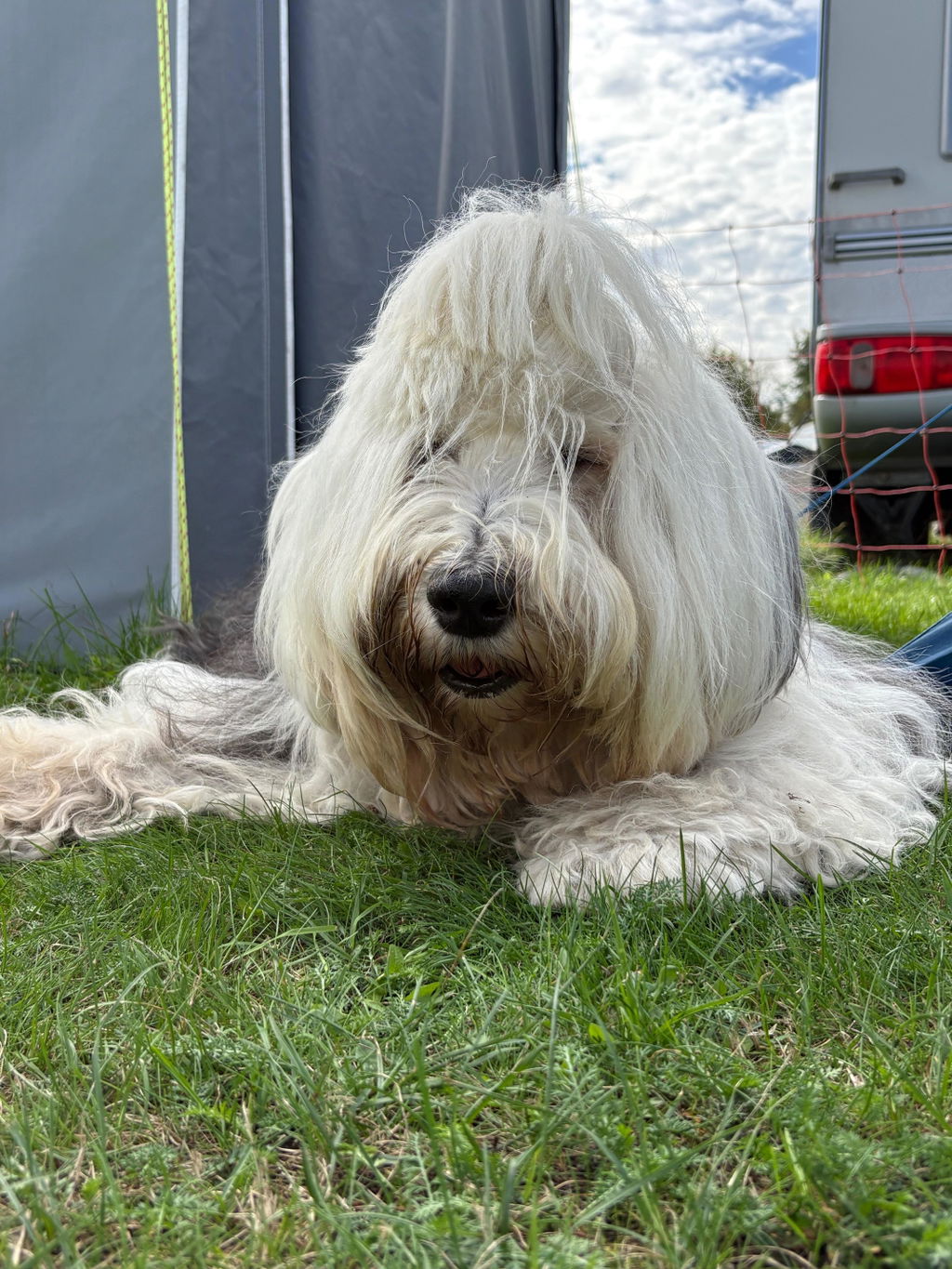
Mijn borders vinden het heerlijk! Bestellen is simpel, de bezorging aan huis gaat super , en tevens een goede begeleiding online, ben érg tevreden over Wolfork
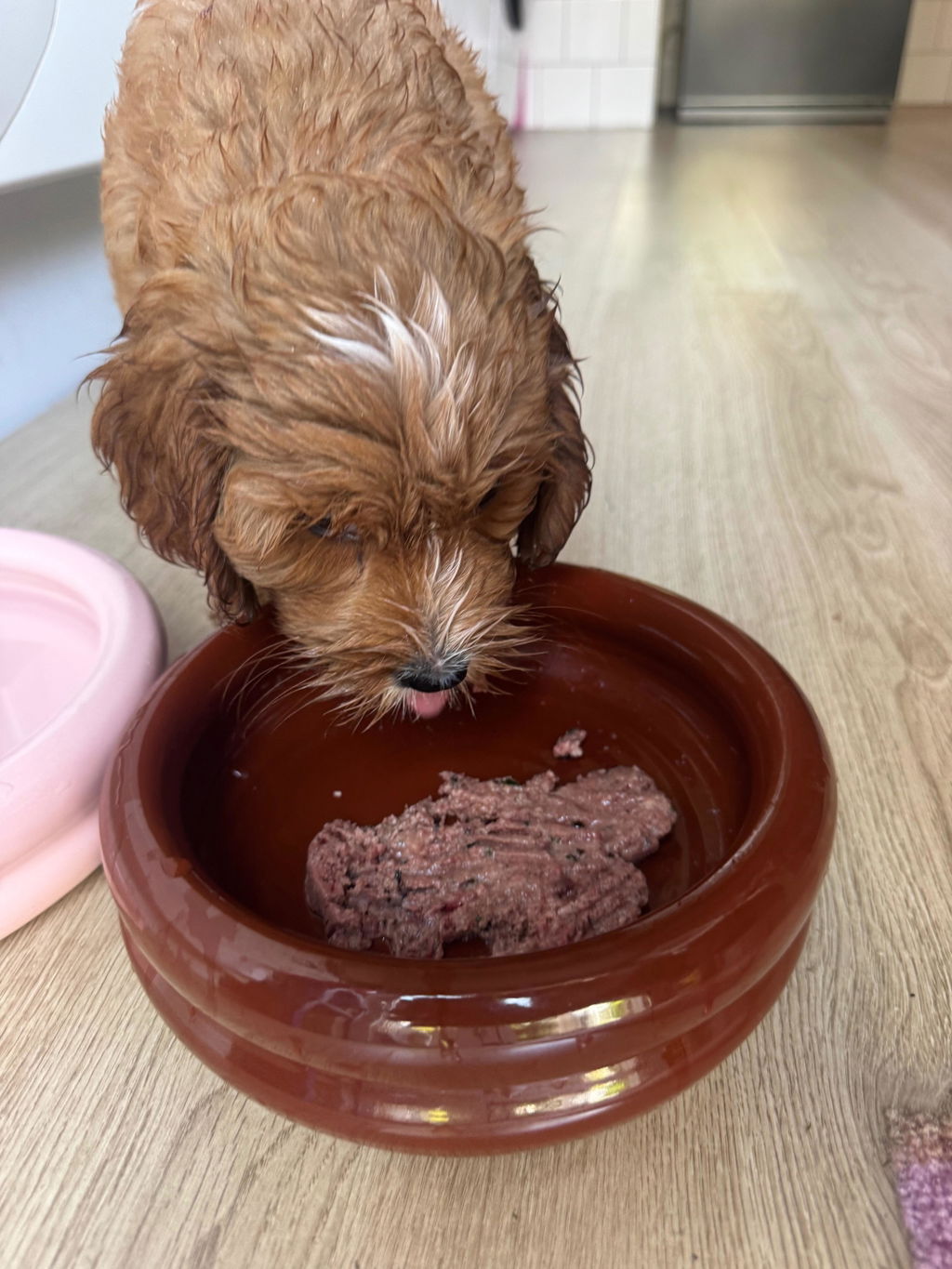
Ik ben zeer tevreden over Wolfork. Ik geef het aan zowel mijn puppy Silken Windsprite, als aan mijn Franse Bulldog van bijna 8. Het wordt s avonds geleverd waardoor ik het meteen in de diepvries kan leggen. Mijn pup schrokt er schijfje in een keer naar binnen, voor haar geef ik het voer nu geprakt op een anti-schrok matje.

Mijn twee pomerianen vinden het erg lekker.. Terwijl ze erg kieskeurige eters zijn. Eindelijk iets gevonden wat erg lekker en een gezonde keuze is. Geen bewerkte troep! En beter voor de tanden. Ook erg makkelijk uit de vriezer te halen de avond ervoor, en in de ochtend makkelijk en snel te geven. Ik Raad Wolfork echt aan ieder honden baasje aan. Een goede investering in de gezondheid van je hond.
Teun ( bijna 9 jaar) krijgt nu 5 weken Wolfork senior nr 8 en het bevalt hem heel erg goed. Ons baasjes ook. Wij denken dat de samenstelling van het voer prima is.
Inderdaad veel minder ontlasting (voorheen soms wel 4x per dag en nu 1 x per dag een keurige compacte drol). Zijn vacht ziet er heel mooi en glanzend uit. Zelfs zijn bruine slagtanden worden witter. Heel bijzonder.
Wij hadden een speciaal verzoek m.b.t. de levering en dat werd op een heel prettige en snelle wijze gehonoreerd. Dankjewel Floris.
En ja, het is aan de prijs, maar als je zo consulten met de dierenarts kunt vermijden is het het zeker waard.

Onze hond had veel last van darmen en allergieen. Na 6 weken Wolfork waren alle problemen over. Echt een aanrader!
Mega blij met de voeding van Wolfork voor ons nieuwe lieve Oos. Oos is 7,5 week en hebben we nu 2 daagjes, het enige wat hij eet is Wolfork (niet eens zijn snoepjes). Helemaal blij met deze voedingskeuze!
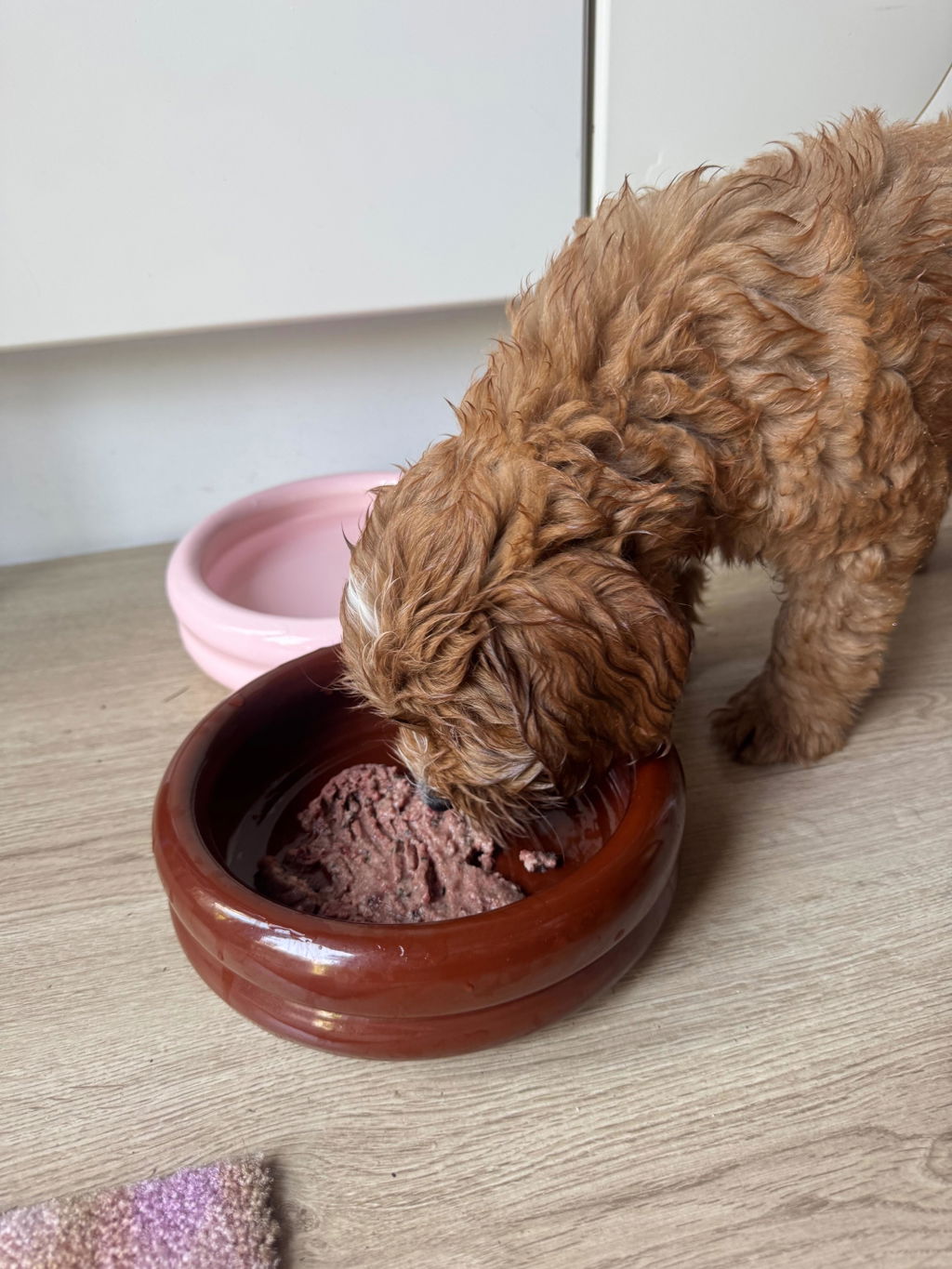
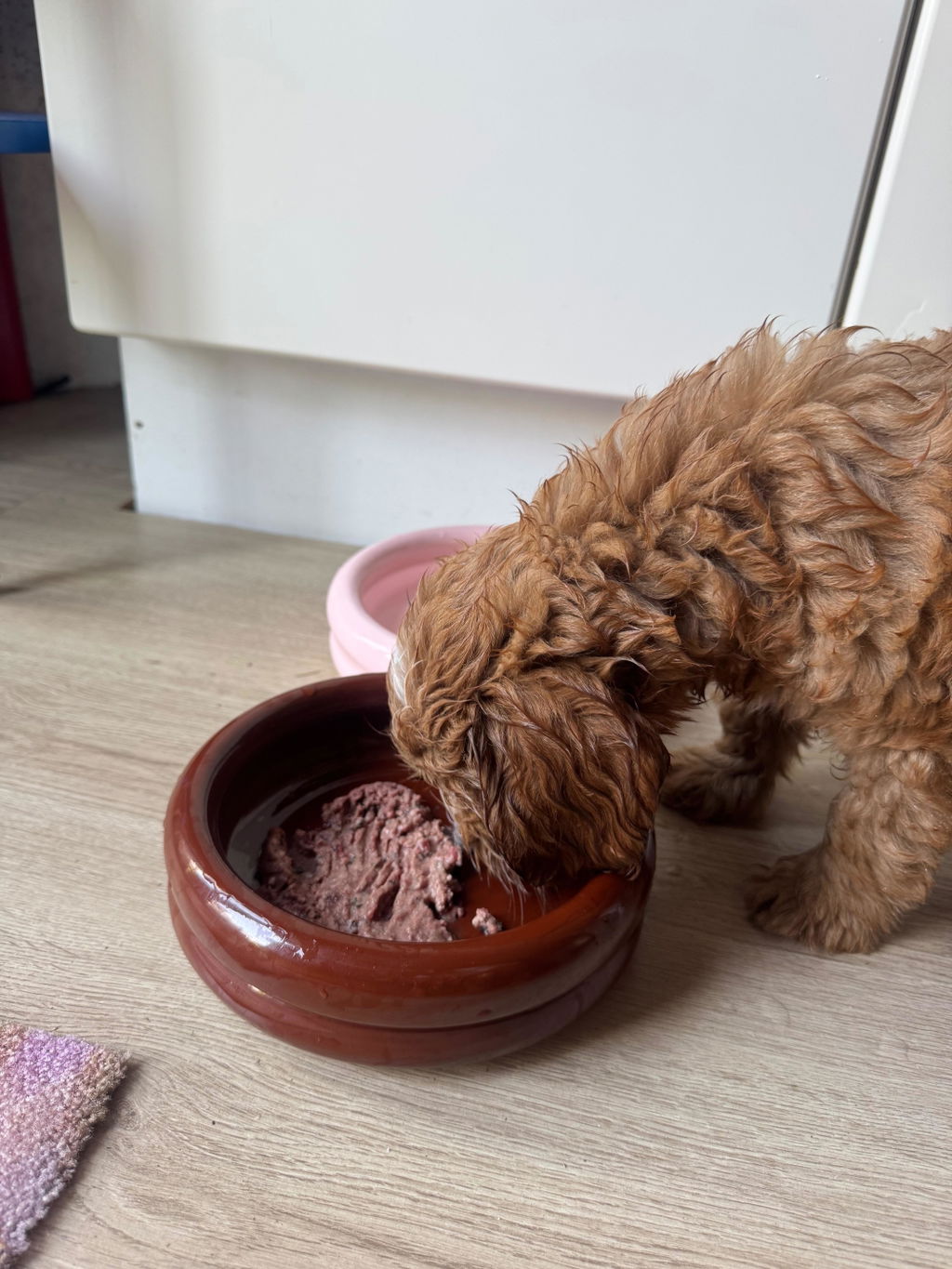
Ik heb al véél voeding geprobeerd voor mijn Dobermann. Heel véél voeding was, de ontlasting niet goed of had ze last van haar buik. DEZE is een topper en blijft, mooie ontlasting, glanzende vacht, witte tanden maar het belangrijkste een blije Hond.
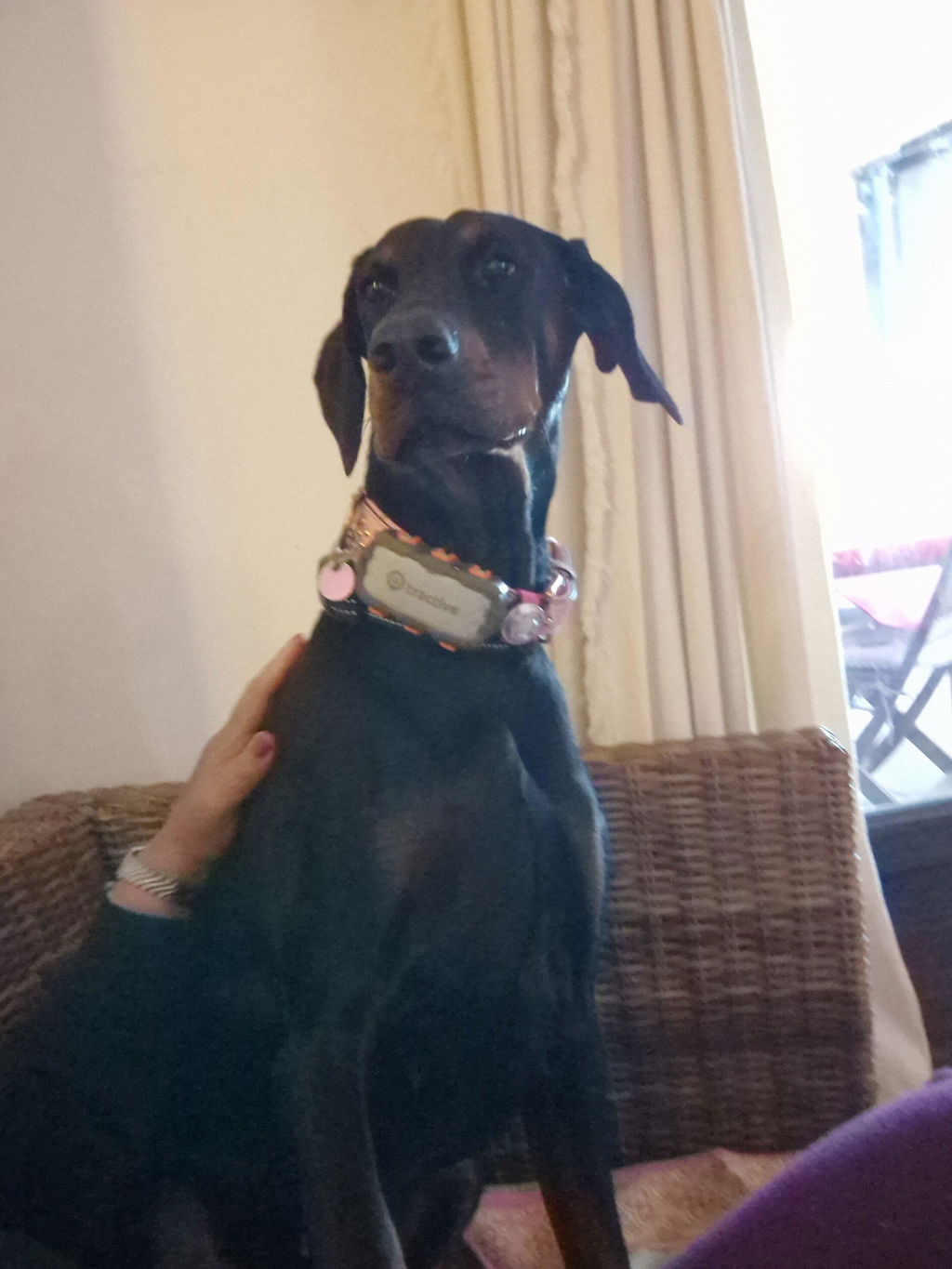
Heel tevreden met dit product. Voor onze pup Oscar recent overgestapt van vers vlees van een ander merk. Dit is veel minder gedoe en hygiënischer vanwege de handige porties. De hond is er dol op. Waar hij zijn bak voorheen nooit leeg at, likt hij hem nu schoon. Top!
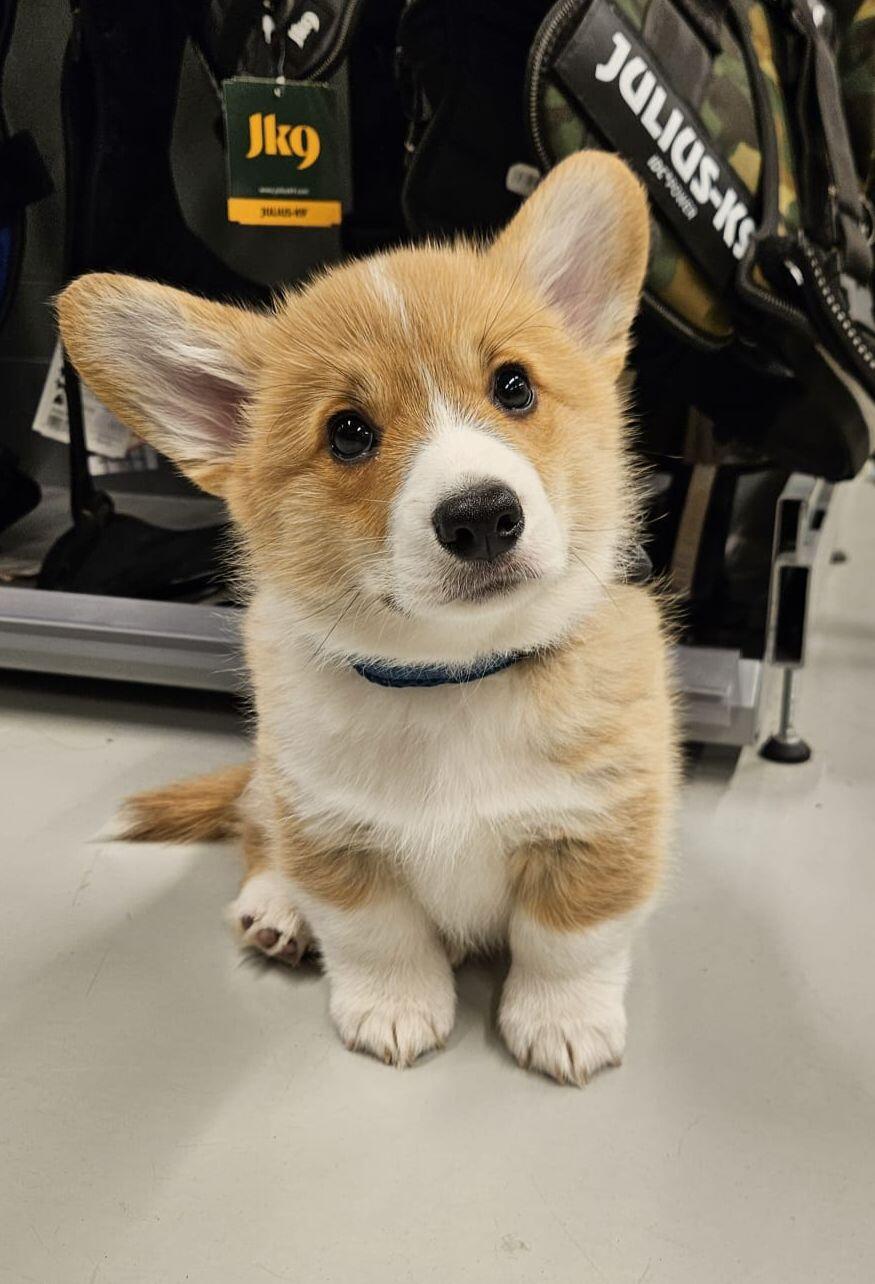
Super blij met wolfork rauwe voeding alles wat een hond gezond houd zit erin Chester is nu 12 een Manchester terrier die van pup af aan al rauw voer kreeg ik heb heel lang carnibest gebruikt ook een supergoed rauw premium product het enige nadeel was dat je het altijd moest snijden met wolfork ben ik nog blijer alles zit erin om een hond gezond te houden fruit groente en rauw vlees alleen de schijfjes zouden wat groter kunnen en mischien wat griffier

Super blij met deze variant van Wolfork zijn nu 2 weken bezig Bowie vind het super lekker en er zijn nu 2 ons af dus gaat goed 😁
Wij zijn super te vrede met het dieet vlees Bowie vind het super lekker. Zijn nu 2 weken bezig en hij is al 2 ons afgevallen.
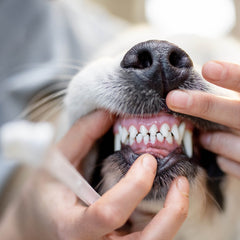
Betere ontlasting, schone tanden en mooie glans op de vacht. Voor mij een zekerheid dat hij alles binnen krijgt betreft voedingstoffen
Makkelijk in gebruik en eigenaren reageren snel op vragen
Ik voer onze hond Mo nu enkele weken met Wolfork Nr 4 en het resultaat is echt zichtbaar. Had niet verwacht dat goede voeding zoveel verschil kan maken in hoe Mo eruit ziet en zich voelt. Geweldig!
Billy heeft vanaf het begin last van diarree en was waarschijnlijk gevoelig voor meerdere ingrediënten die in elk soort droge brokjes zitten. Allergieën zijn moeilijk uit te sluiten met droog puppyvoer.
Sinds we Wolfork voeren merken we meteen goed resultaat qua ontlasting en eetlust.
En Billy vind het heerlijk!
Onze labradoodle Timmie heeft vandaag net zijn eerste portie Wolfork gehad en hij geniet! Hij is kieskeurig en niet zo'n grote eter, maar dit at hij meteen lekker op.
Goede en pure voeding is zo belangrijk. Timmie is erg gevoelig voor "onnodige rommel' in voer en dat heeft Wolfork niet. Ze weten wat ze doen en wat goed is.
De vervoerder had een fout gemaakt met bezorgen, maar dit heeft Wolfork keurig opgelost voor ons.
Top!
Mijn hondje gebruikt dit moment zware medicijnen..gelukkig nog 1 week en dan klaar. Sinds overstap op dit voor zoveel verbeteringen. Echt super blij hiermee...ook mijn lieve Beau in zijn nopjes
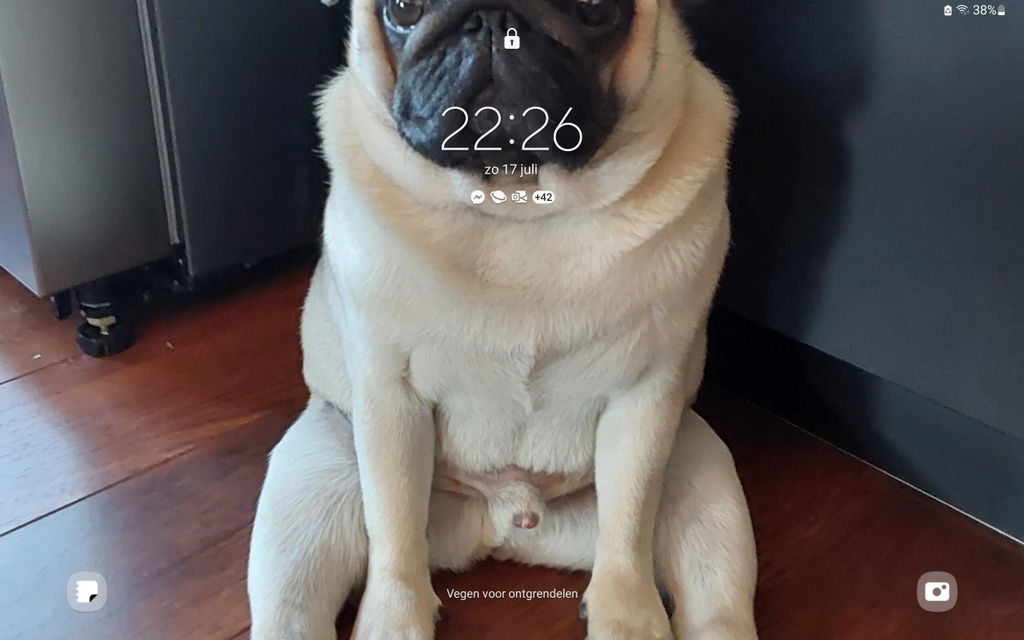
Problemen met het bezorgingsbedrijf, maar dit werd heel snel en super klantvriendelijk opgelost! Echt een top service!
Ik heb 2 teckels Fleur en Beau. Door Fleur zijn we overgestapt op Wolfork. Ze is een moeilijker eten maar wat nog erger is bijna altijd aan de diarree. Soms van het gaat wel tot waterdun. Zoals iedereen dat doet.....we hebben van alles geprobeerd. Sinds het voeren van Wolfork zijn mijn honden (bijna) gestopt met poepen. Nee ik meen het. En als ze het een keer doen dan zijn het hele smalle drollen. Ik loop altijd met grote poepzakken maar deze krijg ik no way gevuld! Fleur vindt het voer nog niet zo geweldig maar eet het zeker wel op. Beau is Fleur ontzettend dankbaar. Hij is er werkelijk zo dol op. Heerlijk om hem zo te zien smullen. Ze kregen voorheen brokken van het merk Orijen en Acana. Ik zie qua uiterlijk nog geen verschil bij ze maar ik weet zeker dat hun darmen veel minder belast worden. en we zijn blij dat Fleur nu van haar diarree af is. Zie hoe heerlijk ze spelen na het eten!
Blaze eet sinds ze van de fokker bij ons thuis is gekomen Wolfork en ze eet het graag
Wat vooral opvalt is dat de ontlasting minimaal is tov mijn andere honden die ( nog) geen Wolfork krijgen. Blaze eet 4x. zoveel en poept minder dan hun!
De manier van bestellen gaat eenvoudig en de mensen zijn behulpzaam bij het beantwoorden van vragen.
Ik vind het een aanrader!
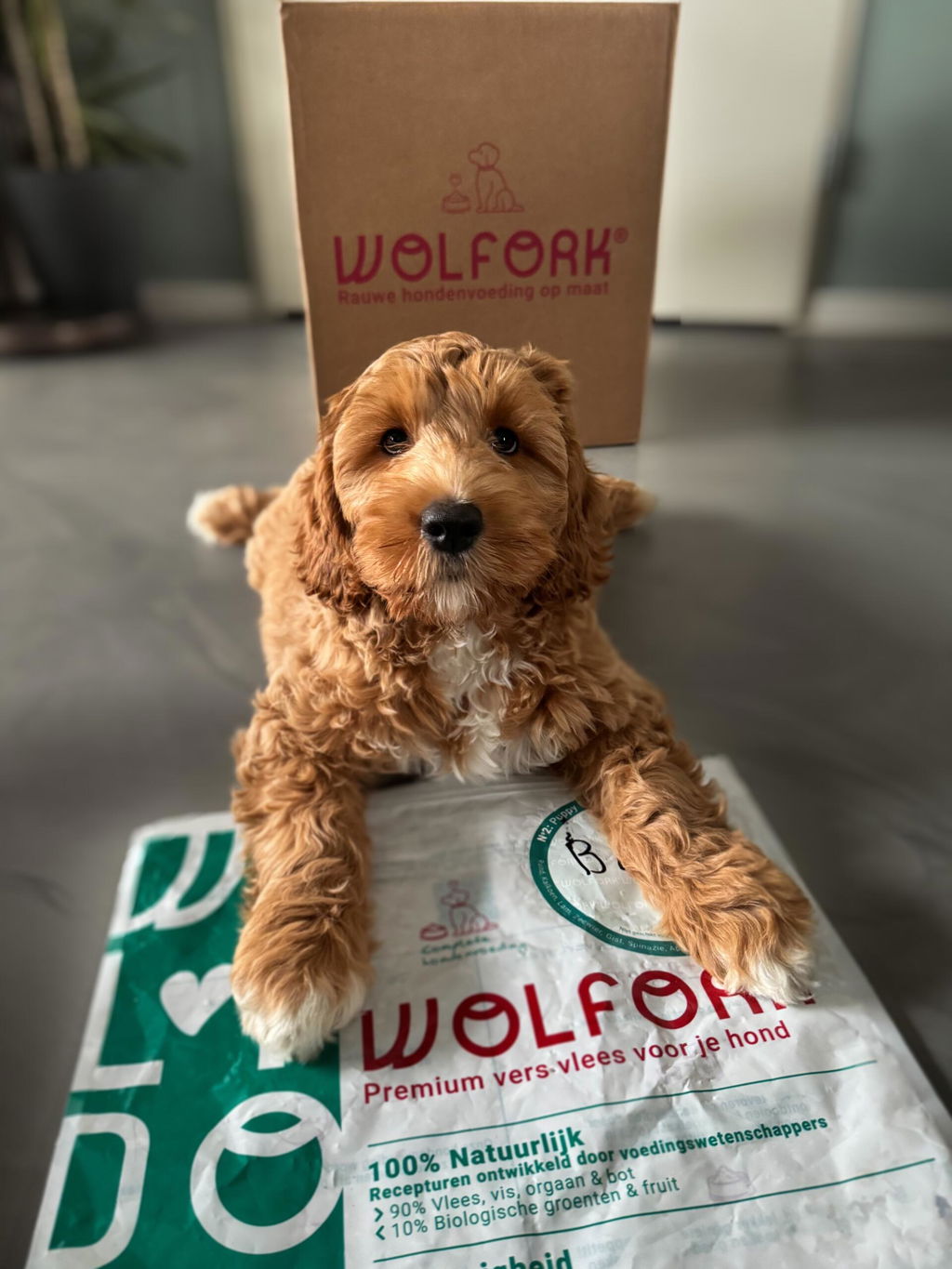
Mies is een kieskeurige hond en kon makkelijk haar brokken een dag staan en zelfs een maaltijd overslaan. Met deze op maat porties is haar bakje echt in no time leeg. Ze vindt het echt super lekker. Moesten even een regelmaat vinden om de porties voor de avond tijdig in de koelkast te doen, maar alles went! Mies vindt het super lekker. Dus onze volgende levering besteld!. Wie volgt... !
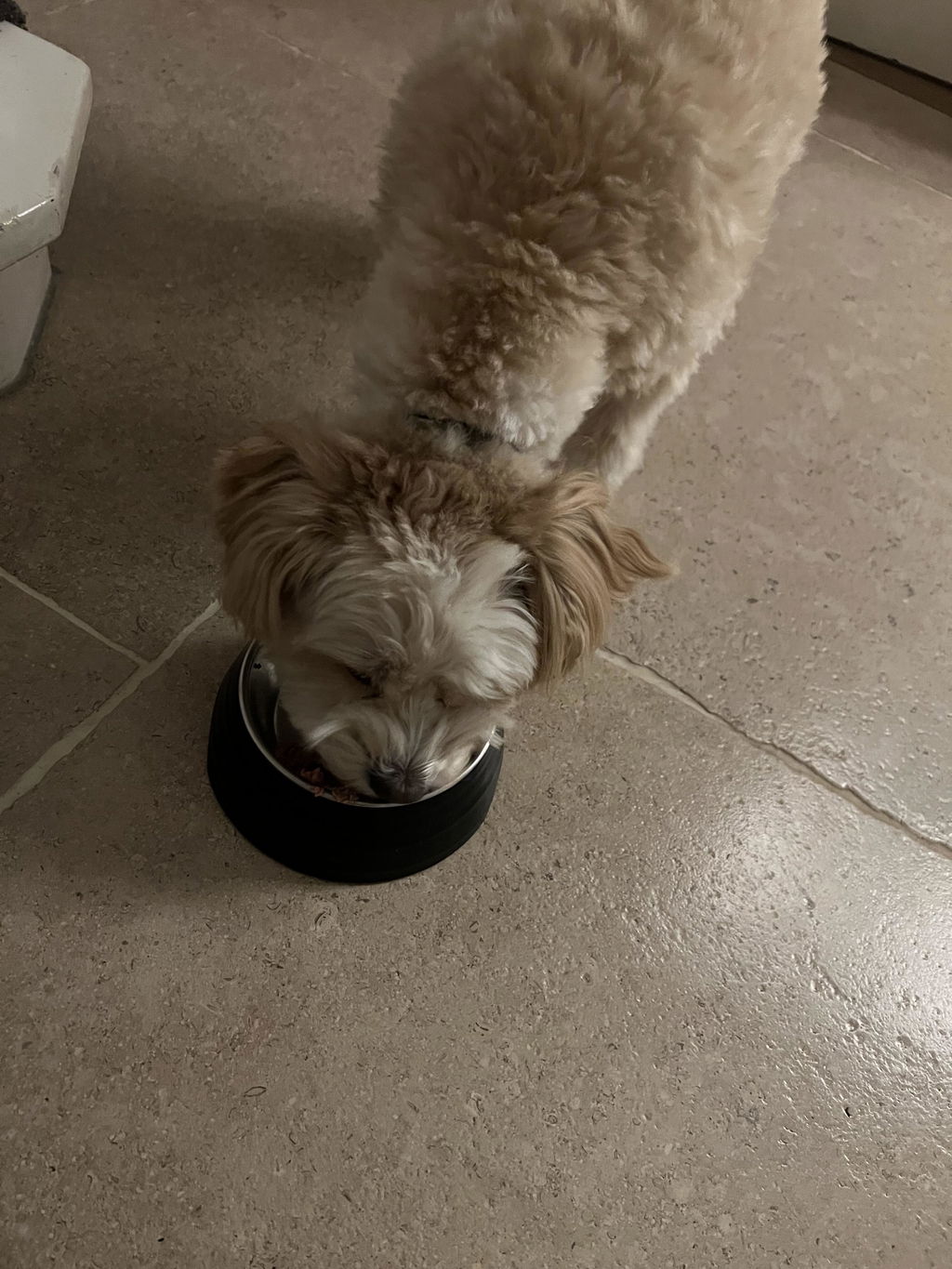
Onze gezellig drukke Golden Retriever Billie smult elke dag van het eten van Wolfork. Op maat en handzame porties, haar bak is leeg in no time. Handig verpakt en slim geleverd in gekoelde doos. Aanrader!
Onze Benner Senner Nova was gewend om droge brokken te eten. Maar na aanraden van een vriend toch de stap gezet naar rauw vlees, mede door duidelijke informatie en selector op de site.
Haar vacht is zichtbaar mooier en ontlasting heeft een betere textuur.
Kortom beginnende Wolfrok fan. PS ook fijn dat ze rekening houden met werkende mensen en dus na 17.00 bezorgen ivm diepvries
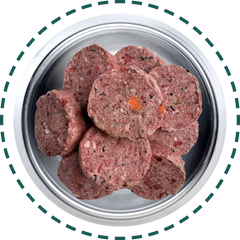
Onze Springer Spaniel Kiki heeft op zich altijd met veel plezier haar brokken gegeten en kreeg slechts af en toe als traktatie wat runder- of lamshart van de slager. UIteraard vond ze dit lekkerder dan haar brokken, maar hart alleen is natuurlijk op geen enkele manier toereikend. Met Wolfork hebben we nu een complete voeding obv rauw vlees die door de makkelijke "hamburgerschijfjes" ook heel eenvoudig te bewaren en bereiden is. Op deze manier kunnen we Kiki nu met een gerust hart geven wat ze het lekkerst vindt en dan schijnt het zelfs nog eens beter te zijn voor haar gezondheid ook. Een win win wat ons betreft!
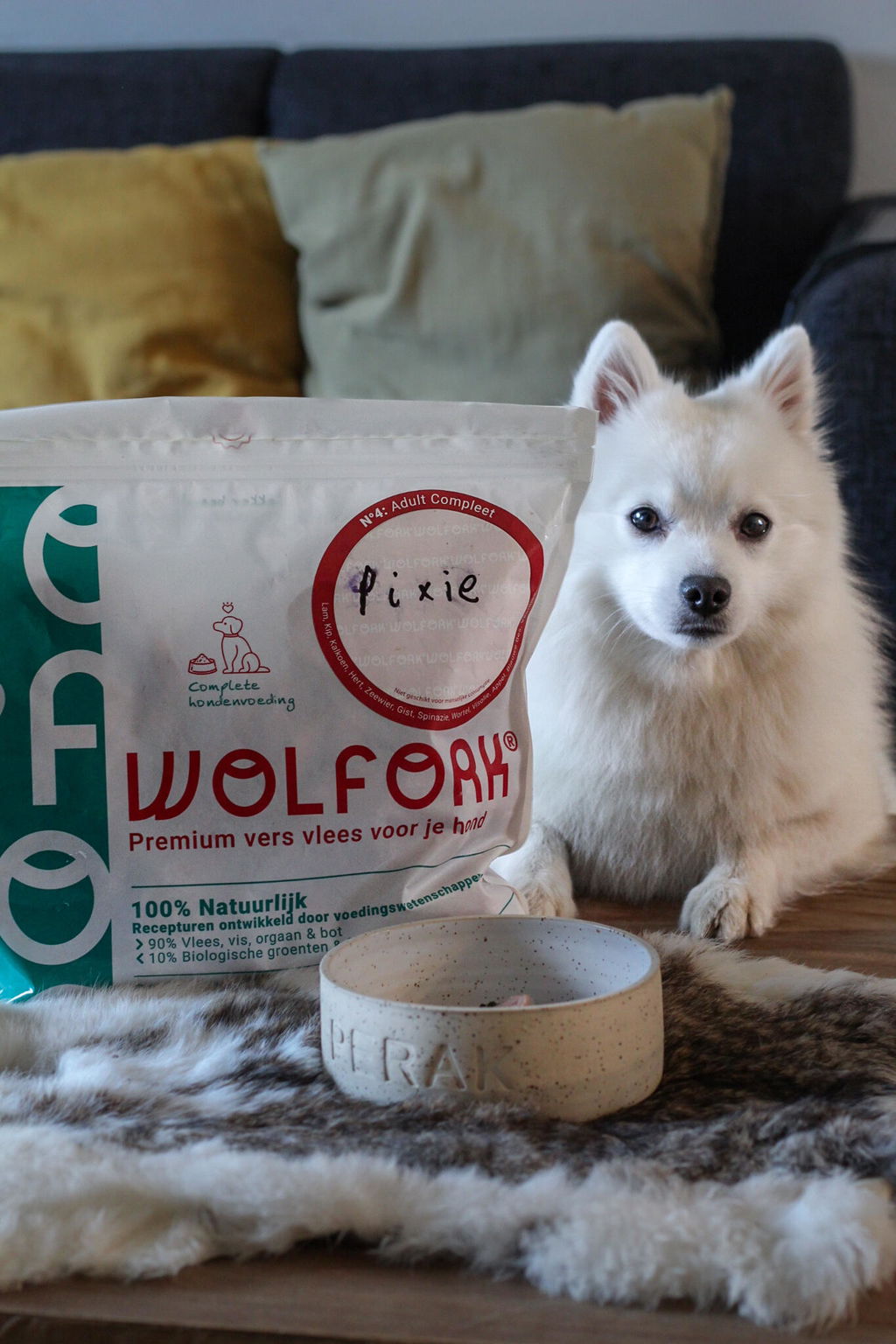
Direct al heel tevreden met de voeding, de site werkt echt heel handig met het bestellen en heel erg fijn dat je direct ziet welke voeding en hoeveelheid geschikt is. Mijn Japanse spits eet al langer kvv maar Wolfork gaat er met nog meer enthiousasme in. De burgertjes werken echt ideaal, geen gedoe met snijden en een hoop plastic verpakkingen iedere dag. Ze heeft ook minder ontlasting dan voorheen, dus wij zijn helemaal fan!